
Pedernales: The Dominican Republic’s Next Caribbean Frontier
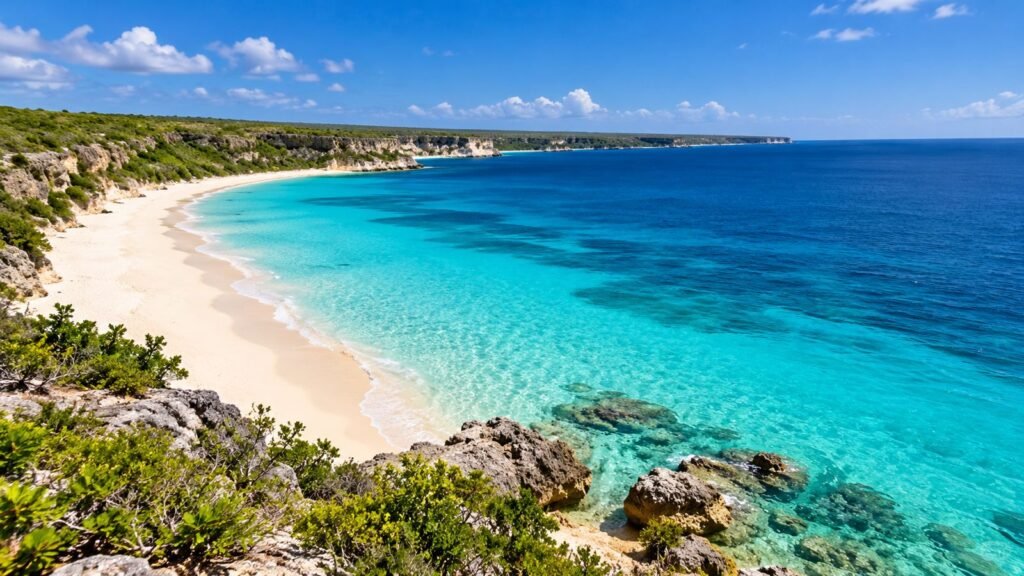
Pedernales, Dominican Republic, is entering an exciting new chapter. Its pristine Caribbean coastlines and remarkable biodiversity make it a distinctive destination. Meanwhile, new tourism developments are bringing fresh attention to the region.
When travelers imagine the Dominican Republic, images of Punta Cana’s resorts, palm-lined beaches, and vibrant coastal destinations often come to mind. But beyond the country’s familiar vacation hotspots lies a different Caribbean story.
In the far southwest, near the border with Haiti, Pedernales reveals a landscape of striking contrasts: turquoise waters, dry tropical forests, mountain pine forests, dramatic geological formations, and protected natural habitats.
For generations, much of this region has remained outside the mainstream international tourism spotlight. Now, Pedernales is entering a period of transformation and what makes this destination fascinating is not simply what is being built, but what already exists.
A Caribbean Paradise Beyond the Ordinary
Imagine a coastline where white sand stretches along brilliant turquoise waters, surrounded by protected natural landscapes rather than rows of beachfront resorts.
This is Bahía de las Águilas, one of Pedernales’ most recognizable treasures. Located within Jaragua National Park, the beach offers a rare opportunity to experience the Caribbean in a relatively undeveloped coastal setting.
Its appeal lies in its simplicity: breathtaking scenery, open horizons, and the feeling of being immersed in nature. Yet Bahía de las Águilas represents only one chapter of Pedernales’ remarkable story.
Where Tropical Forests Meet Mountain Landscapes
Beyond the coastline, Pedernales reveals an extraordinary variety of ecosystems.
The region’s dry forests and arid landscapes contrast dramatically with the cooler mountain environments of the Sierra de Bahoruco. Here, pine forests, broadleaf forests, and unique plant and animal species contribute to one of the Caribbean’s most ecologically significant landscapes.
Among its remarkable natural attractions is Hoyo de Pelempito, a vast geological depression surrounded by mountains.The region forms part of the Jaragua-Bahoruco-Enriquillo Biosphere Reserve, recognized by UNESCO for its exceptional ecological importance.
For nature lovers, photographers, and adventurous travelers, Pedernales offers a side of the Dominican Republic that goes far beyond the traditional beach vacation.
Wildlife, Wetlands, and Natural Wonders
At Laguna de Oviedo, the scenery changes once again.This coastal lagoon and its surrounding wetlands provide habitats for flamingos and numerous other bird species. Mangroves, coastal vegetation, and diverse wildlife make the area especially appealing to visitors interested in nature observation.
These protected environments are part of what makes the southwestern Dominican Republic so distinctive.They also highlight why responsible tourism matters.
Cabo Rojo: A New Chapter in Caribbean Tourism
While Pedernales has long been recognized for its natural beauty, recent tourism investments are bringing new international attention to the region. The Cabo Rojo development project includes a cruise port, hotel construction, road infrastructure, and a planned international airport.
The cruise port is already receiving international vessels, introducing more visitors to this previously less-traveled part of the Dominican Republic. In September 2026, Dominican authorities reported an estimated investment of approximately US$3 billion for the broader tourism development project, with the first phase representing approximately US$1.2 billion.
The government also announced plans for the airport and first new hotel to begin operations in February 2027, subject to project completion. These developments represent an important shift in the region’s tourism landscape.But infrastructure alone will not define Pedernales’ future.
The Challenge of Preserving What Makes Pedernales Special
As tourism expands, one important question remains: How can a destination welcome the world while protecting the natural beauty that makes it extraordinary? For Pedernales, the answer will depend on balancing tourism investment with environmental conservation, community participation, and responsible development.
Its protected ecosystems, wildlife habitats, and local communities are not simply attractions. They are essential parts of the region’s identity. Preserving them will be central to the destination’s long-term appeal.
Discover Pedernales, Dominican Republic, From a New Perspective
Pedernales is not another version of Punta Cana.And that is precisely what makes it interesting. Its appeal comes from a different combination of experiences: remote beaches, extraordinary landscapes, rich biodiversity, and the opportunity to discover a region entering a new era.
For travelers seeking a more nature-focused Caribbean journey, Pedernales deserves a place on the map. The future of Pedernales is beginning to take shape. Its natural beauty has been there all along. Discover more travel destinations and experiences with Pegazus Global Travel.
Editorial note: Tourism development information reflects official announcements available as of October 2026. Project timelines, transportation options, and visitor services may change. Travelers should verify current conditions before planning a visit.