
Last Updated: November 5, 2026
Quick Summary
Finding unique cultural experiences starts with gathering leads from local sources like municipal culture calendars, library noticeboards, and residents themselves, then vetting each listing against independent signals before booking. Choose small-group tours led by residents and confirm group size, cancellation terms, and what participants actually do.
- Ask hotel staff, cafe owners, and shopkeepers where they would take a first-time visitor.
- If two or more checklist answers are missing from a listing, keep looking.
- Reviews describing a specific dish, technique, or route signal quality better than adjectives.
- Go to markets early, when residents shop rather than when tour groups arrive.
- Ask before photographing people, and accept no as an answer.
Table of Contents
- Why Unique Cultural Experiences Beat Tourist Hotspots
- How to Find Local Experiences When Traveling: A Repeatable Research Workflow
- Authentic Travel Experiences: Where to Look Beyond the Guidebook
- Choosing Local Cultural Tours Led by Residents
- Responsible Cultural Tourism: Etiquette, Consent, and Visitor Impact
- Budgeting and Timing Your Cultural Experiences
- Common Mistakes That Turn Cultural Exchange Into a Tourist Trap
- Compare Cultural Tours and Experiences Before You Book
- Frequently Asked Questions
Why Unique Cultural Experiences Beat Tourist Hotspots
Finding unique cultural experiences starts with one shift: stop asking what a destination is famous for and ask where residents actually spend their time.
The difference is participation. At a landmark, a traveler watches. At a neighborhood market or a community workshop, a traveler takes part.
That gap matters for money too.
Below is a repeatable method for finding and checking cultural experiences before committing, plus the etiquette and budget details most guides skip.
How to Find Local Experiences When Traveling: A Repeatable Research Workflow
The most reliable way to find local experiences when traveling is a three-stage filter: gather leads from local sources, verify each lead against independent signals, then book through a provider with clear terms. The workflow is a practical way to narrow options before you book. Most guides stop at inspiration lists; the value is in verification, which separates a real cultural experience from a staged one.
Stage 1: Gather Leads From Local Sources, Not Search Engines
Search engines surface whoever ranks best, not whoever hosts best. Start elsewhere:
- Municipal culture calendars. City and regional tourism boards publish event listings, heritage walks, and craft fairs. Look for the calendar page rather than promotional “things to do” pages.
- Library and community center noticeboards. These carry workshops and classes that never appear in ads.
- Local newspapers and radio listings. Small venues post here first.
A common mistake is treating social media as the primary source. It works better as a confirmation layer, a place to check whether a lead is still active and what recent attendees say.
Stage 2: Vet Every Listing Before You Commit
Before paying for anything, run this checklist against the listing and at least one independent source:
- Does the operator name a real person, address, or registered business?
- Are recent reviews specific about the activity, not just “great tour”?
- Is the group size stated?
If two or more answers are missing, keep looking. This step is where most bad bookings get avoided.
Stage 3: Read Reviews Like an Editor, Not a Shopper
Review quality is the single most useful signal, and most travelers read it wrong.
Cross-check the operator’s own claims against an independent source. If a workshop says it is family-run, a local news feature or the municipal business registry should corroborate it.
Watch out: a polished booking page with professional photography is evidence of marketing budget, not authenticity. The verification signals are specificity, named people, and corroboration.
Stage 4: Filter for Your Own Needs
A verified experience still has to fit the traveler. Before booking, confirm the practical details that determine whether you can actually participate:
- Mobility and pacing. Ask about stairs, uneven ground, standing time, and seating. Many heritage walks and market tours involve two or more hours on foot.
- Sensory environment. Markets, festivals, and live music can be loud and crowded. Ask whether quieter sessions or smaller time slots exist.
- Dietary needs. Cooking classes and food tours should confirm substitutions in writing before you book.
Stage 5: Book Through a Provider With Clear Terms
Once a lead passes verification and fits your needs, book through a provider that states its cancellation, refund, and change policies up front. When you are ready to compare, browse cultural tours and activities from independent providers and check group size, duration, and cancellation terms on each listing.
This workflow is repeatable across destinations. The sources change; the filter does not.
Authentic Travel Experiences: Where to Look Beyond the Guidebook
Authentic travel experiences cluster in ordinary places: residential streets, produce markets, small performance venues, and workshops run by makers. The guidebook points at monuments. Everyday life happens a few streets away.
Neighborhoods, Markets, and Everyday Life
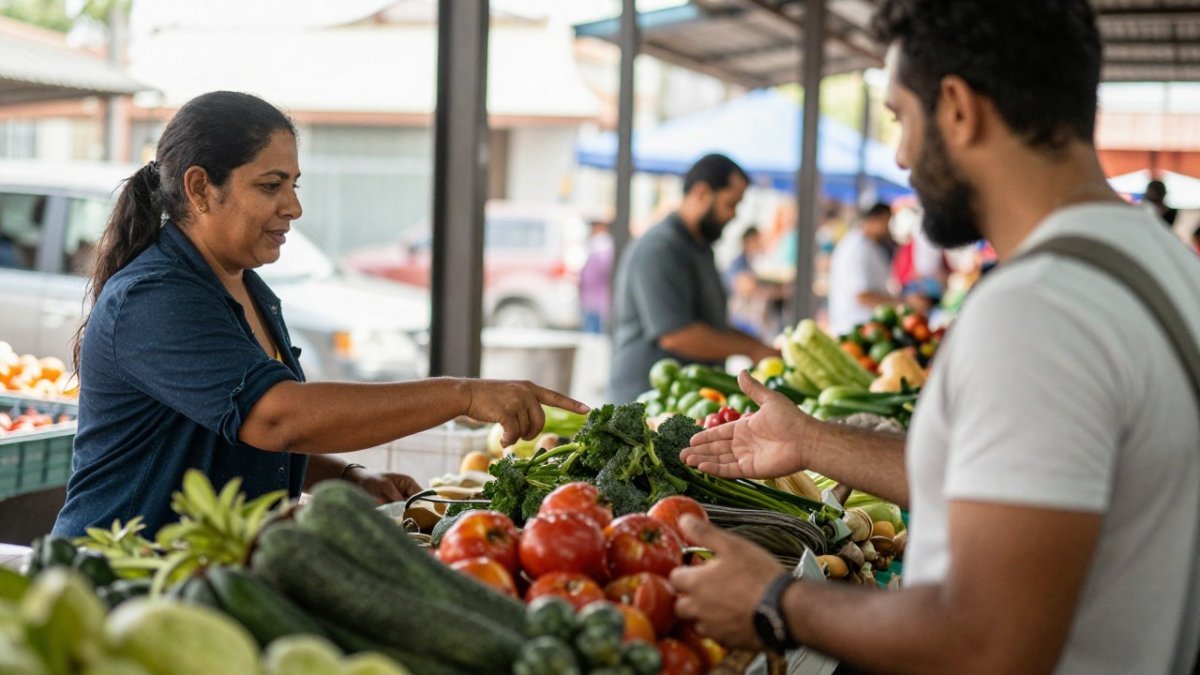
Markets are the fastest entry point into local culture. Go early, when residents shop rather than when tour groups arrive.
Neighborhood exploration rewards slower travel. Pick one district per day and cover it on foot. Eat where the menu is shortest and the queue is local.
For destination-specific planning, the Dominican Republic travel guide covers local options across Punta Cana, Santo Domingo, and beyond.
Arts, Music, and Hands-On Workshops
Traditional crafts and hands-on workshops turn spectators into participants. Look for pottery studios, textile co-ops, cooking classes, and instrument makers that run short sessions.
Live performances follow the same logic. Small venues, rehearsal spaces, and cultural institutions host affordable shows that rarely appear in tourist listings.
Travelers drawn to Japan can go deeper with the Japan destination guide, which covers tradition, modern city life, and trip-planning detail.
Choosing Local Cultural Tours Led by Residents
Local cultural tours led by residents can offer answers that a scripted tour may not. They know which market stall is worth the queue and which festival is for locals versus visitors.
Ask three questions before booking:
- Who leads the tour, and do they live in the area?
- How large is the group?
- Which part of the itinerary is indoors, and which involves walking?
Small-group travel keeps the experience conversational. Homestays and community-run guesthouses go further, putting travelers in daily contact with residents.
When comparing options, browse cultural tours and activities from independent providers and check group size, duration, and cancellation terms on each listing.
Responsible Cultural Tourism: Etiquette, Consent, and Visitor Impact
Responsible cultural tourism means treating residents as hosts rather than attractions. Cultural exchange only works when both sides choose it. The practical question is not whether an experience feels authentic to you, but whether the people hosting it set the terms, benefit from it, and can say no.
How to Tell Whether an Experience Is Community-Led
“Locally owned” and “community-led” are not the same claim, and listings often blur them. Use these signals to tell them apart:
- Who decides. A community-led project usually names the cooperative, association, or family that runs it, and describes how decisions are made. A locally owned business may still be run entirely for outside visitors.
- Who benefits. Look for stated commitments, local hiring, reinvestment in a shared space, training for residents, rather than a general promise to “support the community.”
- Who performs. If residents participate as hosts, teachers, or guides rather than as photographed subjects, that is a strong signal. If the only role for locals is to pose, reconsider.
A common pattern is that the most genuinely community-led experiences are the least marketed. They spread through word of mouth, local noticeboards, and repeat visitors rather than paid placement.
Consent in Practice: Photography, Sacred Spaces, and Invitations
Consent is not a single gesture; it is an ongoing exchange. A few concrete rules carry most of the weight:
- Ask before photographing people, and accept no. A gesture toward the camera is the polite opener, but a nod is not consent to publish. Ask before posting images of identifiable people, especially children.
- Respect sacred and ceremonial spaces. Many sites publish expectations for dress, footwear, and photography. If none are posted, follow what residents do and ask before entering. When a ceremony is underway, watch from the edge unless invited closer.
- Treat invitations carefully. If a resident invites you to a meal, family event, or religious service, ask what is expected, dress, duration, whether to bring something, whether photos are appropriate. Accepting an invitation is not permission to document it.
- Dress for the setting. Modest dress is the safer default where no expectations are stated.
Watch out: photographing people without consent, or filming inside a sacred space, can cause real harm and, in some places, legal trouble. When in doubt, put the camera down and ask.
Personal Safety and Reading the Room
Respectful participation also means staying safe and not putting hosts in an awkward position:
- Share your plans. Tell someone where you are going and when you expect to return, especially for workshops or homestays in less central areas.
- Watch your belongings in crowded markets and festivals. Crowds are part of the experience and also where pickpocketing happens.
- Follow local guidance on alcohol, dress, and public behavior. What is casual at home may be inappropriate at a religious site or in a conservative community.
- Leave if you feel unsafe or unwelcome. No experience is worth overriding your instincts or a host’s discomfort.
The Visitor Impact You Can Actually Control
Money spent directly with local vendors, guides, and makers has the clearest visitor impact. Beyond spending, the choices that matter most keep experiences under local control: booking small groups, respecting stated limits on visitor numbers, avoiding activities that treat residents as attractions, and leaving reviews that describe what actually happened rather than rewarding a performance.
Community-led tourism projects publish their own guidelines. Read them. They usually explain customs and traditions more accurately than any general guide, and following them is the simplest way to show that the invitation was worth extending.
Budgeting and Timing Your Cultural Experiences
Timing can change both the price and the quality of cultural experiences. Seasonal events, festivals, and harvest periods draw crowds and raise rates.
Budget by category rather than by day:
Check pricing directly with each provider, since rates shift by date and availability. For travelers building a trip around cultural stops, customize a vacation package around a set budget and travel style.
Common Mistakes That Turn Cultural Exchange Into a Tourist Trap
The fastest way to ruin a cultural experience is to book the version designed for tourists. Watch for these:
- Oversized groups. A forty-person walking tour cannot have a conversation.
- Staged authenticity. “Traditional” villages built for visitors are a performance.
- Guides reciting stereotypes. Real local guides describe diverse viewpoints, not caricatures.
- No stated operator. Listings without an address or named business are a risk.
Watch out: booking through an unverified reseller often means the activity is cancelled without notice and the refund path is unclear. The guide to avoiding hidden travel fees explains how to spot those charges before paying.
Compare Cultural Tours and Experiences Before You Book
The final step is comparison, and it is where most travelers rush. Line up three or four options per activity and check them against the same criteria.
|
Check |
Why It Matters |
Red Flag |
|---|---|---|
|
Group size |
Smaller groups allow real conversation |
No size stated |
|
Guide residency |
Local guides know current places |
Only a company name |
|
Cancellation terms |
Protects against plan changes |
Terms missing |
|
Total price |
Reveals added fees |
Price shown late |
|
Recent reviews |
Shows current quality |
Only generic praise |
Pegazus Global Travel is an independent travel discovery and affiliate referral platform that helps travelers explore tours, activities, and other travel options offered by third-party providers.
Travelers can continue directly to the selected provider to review current prices, availability, cancellation policies, and booking conditions. All reservations, payments, changes, and cancellations are handled by the independent provider.
Frequently Asked Questions
How can I find authentic local experiences when I travel?
Start with local sources rather than search engines: neighborhood association pages, independent bookstore bulletin boards, community center calendars, and local-language event listings. Cross-check any operator against recent reviews that mention specific details, and confirm the guide actually lives in the area. Ask your accommodation host for recommendations they would give a friend, not a guest. Building a shortlist this way takes about an hour per destination and surfaces cultural experiences you will not find on generic booking pages.
How do I find cultural tours led by local guides?
Look for operators that name their guides and describe their connection to the neighborhood. Local cultural tours should state a meeting point, group size, and what portion of the fee stays in the community. Read reviews for mentions of the guide by name and for details about the visit rather than generic praise. Avoid listings that promise a checklist of famous sights with no mention of who leads the tour or what makes it distinct to that place.
How can I experience local culture respectfully?
Ask before photographing people, dress according to local customs at religious sites, and treat ceremonies as events you are invited to observe rather than content to capture. Responsible cultural tourism means paying a fair rate, buying directly from makers, and accepting a no without negotiating. Learn a few phrases, follow the dress and behavior cues you see from residents, and avoid experiences that stage poverty or private rituals for visitors.
What should I look for when choosing a cultural travel experience?
Check four things: who leads it, how large the group is, what the operator says about community benefit, and whether reviews describe specifics. Small-group travel and homestays usually offer more cultural exchange than coach tours. Confirm accessibility and cancellation terms before booking, and match the timing to seasonal events rather than guessing. Compare options across several providers so you can judge value instead of accepting the first listing you see.
The real challenge is not simply finding cultural experiences, but choosing those that genuinely match your interests, travel style, and expectations. Research local traditions, read recent reviews, and confirm important details before making a reservation.
Pegazus Global Travel helps travelers discover tours, activities, and travel options through independent third-party providers. Browse available experiences and continue directly with the selected provider to review current prices, availability, and booking conditions.
Make your next journey more meaningful by discovering the people, traditions, and experiences that make each destination unique.
